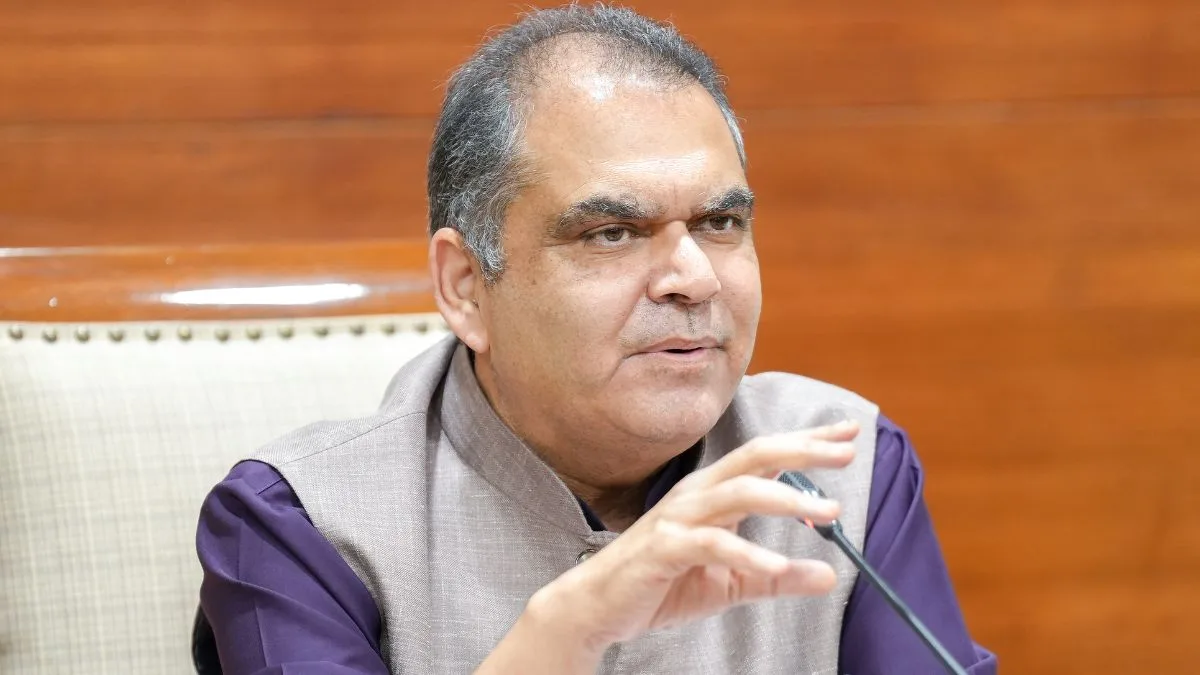
The Punjab and Haryana High Court on Friday did not grant immediate relief to Punjab minister Sanjeev Arora in connection with his arrest by the Enforcement Directorate (ED), after hearing arguments in his petition for nearly 45 minutes.
During the hearing, Arora’s counsel challenged the legality of the arrest procedure under the Prevention of Money Laundering Act (PMLA), arguing that the officer who lodged the complaint and the officer who carried out the arrest were allegedly the same person, which the defence claimed was contrary to provisions under Section 19 of the PMLA.
Advertisement
The counsel further submitted before the court that the Enforcement Case Information Report (ECIR) was registered on May 5 and raids were conducted on May 9, but no supporting material was provided to the accused under Section 50 of the Act. The defence requested the court to summon the records in a sealed cover to verify whether any actual investigation had been conducted before registration of the FIR.
The High Court posted the matter for further hearing on Monday.
During the proceedings, the court asked the petitioner’s counsel to specifically point out the disputed portions of the arrest order and clarify the basis of the challenge. In response, the defence alleged that the arrest memo had been “fabricated” and questioned the timing of the arrest and production before the court.
Arora’s lawyer argued that the minister was allegedly arrested at around 7 am but was produced before the court only at 11:20 pm, despite the court being functional during the day. The counsel questioned the need to produce him late at night and claimed that the grounds of arrest should have been supplied at the time of detention itself.
The defence also alleged that the grounds of arrest appeared to be pre-typed and pre-planned. It was further argued that there was no mention of “proceeds of crime” in the case records, which, according to the petitioner, is essential for registration of an ECIR.
The court observed during the hearing that the issue raised by the petitioner regarding proceeds of crime required examination, while the ED opposed the submissions and termed the allegations factually incorrect.
Concluding his arguments, Arora’s counsel raised four primary points before the court, including the alleged lack of substantial evidence, the claim that payments in question were made through cheques, and the legality of the arrest process carried out by the same officer linked to the complaint.
The counsel also referred to political developments in Punjab, claiming that political defections were taking place in the state and alleging selective action by investigative agencies.
The court, however, remarked that the petitioner had already consumed considerable time in arguments over the last three days and noted that the ED’s submissions were also yet to be heard. The matter was subsequently adjourned till Monday for further hearing.